






Wheel Quest: One Wheel, Wobbly Physics, and a Steady Nerve
Share Wheel Quest with Friends!
Discover More Wheel Quest

Sprunki Definitive Phase 9 Fan-made

Rankle

Sprunki Skibidi Toilet Remake 4.5

Sprunki Fiddlebops 56

Sprunki Chaotic Good Night Time

Boxel Rebound

Among Us 3D

Sprunki Revamped 2.0

Sprunki EmojiCat

Monster Go

Goonzy but Sprunki

Geometry Arrow

Sprunki But Relish

Scrunkly

Run 3

Banana Sprunkis

Sprunki Phase 3 RM But All Alive

Sprunki Fase 71

Sperunky

Cucumber Clicker
Explore Other Exciting Games
2048
Wheel Quest

FNF Bikini Horrors V3

Goat Rampage

Crashy Rush

Tower Shot

Unbox the Room

Incredibox Twittergram

Dead Strike

Sprunki Angler Durple

Astro Tycoon
Bow Battle

Sky Dart

Poppy Playtime Chapter 5

Wacky Steps

Wave Rider

Christmas Factory

Turnip Boy Robs a Bank

Stick Hero RPG

Welcome To The Garden
What's the Deal with Wheel Quest?
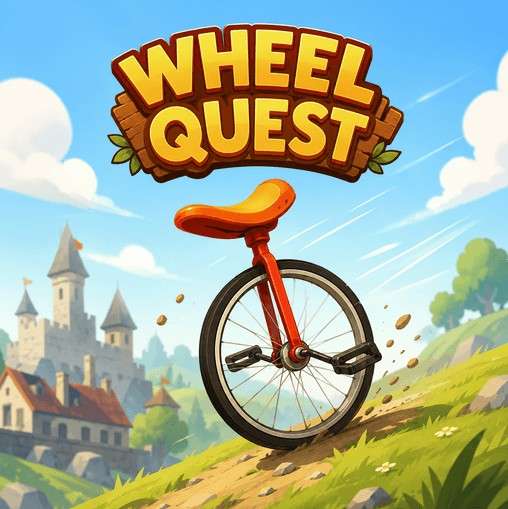
Wheel Quest is a physics-based driving skill game that puts you in charge of a one-wheeled vehicle. Keeping it balanced is the big challenge, which sounds easy until a small wobble starts demanding your full attention.
Keep the Wheel Under You
Check the Game's Instructions
Look at the controls shown in the game before you get going. Knowing how to make an adjustment beats guessing while you're already tipping.
Get a Feel for the Physics
Use your first attempt to see how the vehicle responds. Watch what happens after an input instead of immediately piling on another.
Watch Your Balance
Keep an eye on the vehicle's lean as you move. Spotting a wobble early gives you more time to respond.
Avoid Panic Corrections
Aim for measured adjustments rather than frantic inputs. Trying too hard to fix one lean can leave you fighting the next.
Learn from Each Attempt
Notice which adjustment helped and which one made things worse. Carry that little discovery into your next try.
Before You Start Wobbling
What is Wheel Quest?
It's a physics-based driving skill game where you control a one-wheeled vehicle. Staying balanced is the central challenge.
What is the main objective?
Your main job is to keep the vehicle balanced. Pay attention to its lean rather than treating it like an ordinary car.
Why is Wheel Quest challenging?
One wheel doesn't give you much room to ignore your balance. You'll need to judge how the vehicle responds and adjust without making the wobble worse.
Is Wheel Quest a driving game?
Yes, it belongs in the Driving category. Its racing and skill tags come with an unusual emphasis on keeping a single wheel under control.
What controls does Wheel Quest use?
Check the instructions displayed in the game for the exact controls. Get familiar with those before trying to correct a serious lean.
What's a good approach for beginners?
Spend your first attempt learning how the vehicle reacts to your inputs. Staying observant is more useful than trying to force everything at once.
Why do my corrections make me wobble more?
You may be adjusting too much or reacting before the previous input has played out. Try a smaller correction and watch the response.
Is speed more important than balance?
Balance is the stated objective, so make that your first priority. There's not much glory in rushing if you can't stay upright.
Can I play Wheel Quest online without installing it?
Yes, you can jump into Wheel Quest through your browser without installing the game.
Will Wheel Quest unblocked work on a restricted network?
Access depends on the rules of the network you're using. An unblocked search result doesn't guarantee that a school or workplace allows the site.
A Whole Problem on One Wheel
One-Wheeled Driving
Forget the reassuring stability of four tires. A single wheel makes balance the thing you can't afford to ignore.
Physics-Based Handling
The vehicle's response is part of the puzzle. You need to read its movement, not just decide where you want to go.
Skill over Button Mashing
Careful control matters here. Frantic inputs aren't much of a plan when you're trying to stay upright.
A Clear Central Challenge
The objective is easy to understand: stay balanced. Actually doing it gives that simple idea some teeth.
Browser Open, Balance Questionable
Play Wheel Quest straight in your browser, with no installation needed. Open the game, check its instructions, and see how long that one wheel feels like enough.
Less Panic, More Balance
Read the Lean Early
A slight tilt is easier to assess than a wobble that's already getting away from you. Keep your attention on the vehicle's posture.
React to the first clear sign of a lean.
Don't Chase Every Movement
Responding to every tiny shift can turn into constant overcorrection. Give yourself a moment to see what your last adjustment actually did.
Watch the response before adding another input.
Change One Thing
It's hard to learn from an attempt if you change your whole approach at once. Focus on one habit, such as correcting earlier or more gently.
Test one adjustment on your next attempt.
Reset Your Rhythm
Repeated mistakes can tempt you into rushing the same inputs again. Take a brief pause and think about where the balance started slipping.
Pause after a frustrating attempt.
Why Give This Wheel a Go?
Driving with a Different Problem
Steering a normal vehicle is one thing. Keeping a one-wheeled contraption balanced asks you to rethink what good control feels like.
Figure Out the Wobble
Each lean gives you something to read. Working out when to intervene is a satisfying little physics problem.
Stay Properly Switched On
You can't completely zone out when balance needs your attention. Even a small movement can be worth watching.
Enjoy the Small Improvements
Catching a lean that used to trip you up feels good. Progress can be as simple as making one calmer, better-timed adjustment.