


Lift Off 2 – Pilot Your Rocket Through Slicker Skies
Share Lift Off 2 with Friends!
Discover More Lift Off 2
Fireboy And Watergirl
Egg Race
Basket Random
Sprunki Ener Caster Retake

Shooter Sky
Omnom Jump
Hockey Random
Color Rush
subway Santa
Sprunki Pyramixed Parasite
Run 3D

Hollow Knight

Cuby Road Halloween

Trap the cat
Traffic Road
Sprunki The History of Plants
Sprunki Rejoin kayden & firends
Speed Shooter
Sprunki Jump
Sprunki but Bob
Explore Other Exciting Games
2048
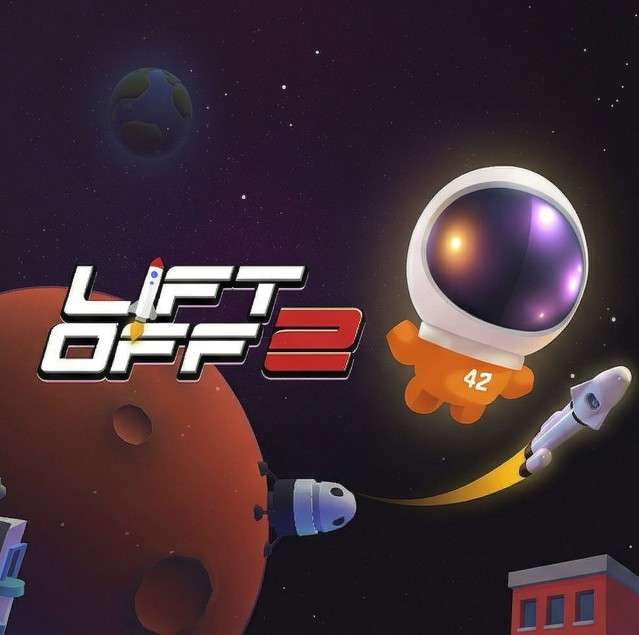
Lift Off 2
Bow Battle
Garfield War

Trees Hate You
Sprunki OC V3
Sprunki Swap Retextured
Tetrix Online

Brush Jjaemu
Ship Smasher

Statle

COBB CAN MOVE

Wobbly Pets

Lab Havoc
Iron Snout
Street Escape
Pips NYT

Mr Flip

Sky Dart

Poppy Playtime Chapter 5
What's the deal with Lift Off 2?
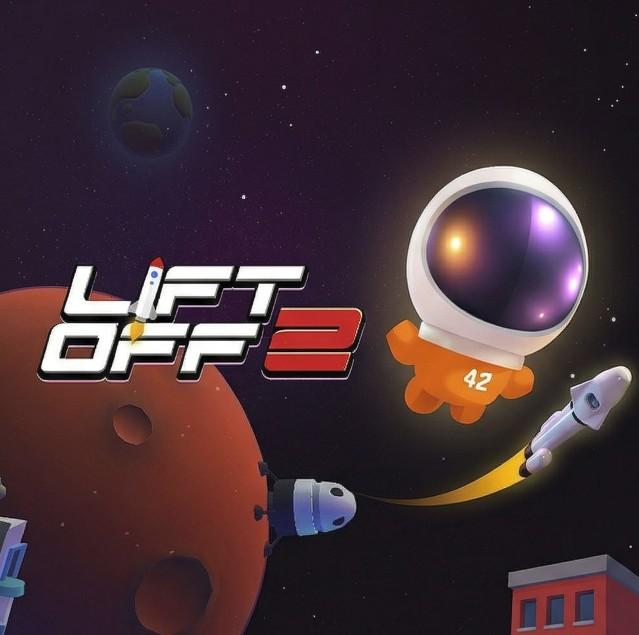
Lift Off 2 takes the simple elevator-pitch of the original and gives it room to breathe. You're piloting a tiny rocket upward through stages that demand quick reactions, with cleaner physics and smarter level layouts than the first outing. It keeps the 2D spirit but trims the jank, which is honestly the whole point.
How to Play
Pick a stage to launch from
Start at level one and clear each one in sequence, or jump into harder maps once you're warmed up. Each stage has its own obstacle layout to learn.
Hold to thrust, release to coast
Thrust pushes your rocket up while letting go lets gravity pull you down. The push-and-pull rhythm is the whole game in a nutshell.
Dodge obstacles mid-flight
Walls, ceilings, and moving hazards wait in the way of your ascent. You'll need to thread gaps or wait out moving threats before threading the needle.
Tap into tight gaps
Some passages are barely wider than your rocket. Slow down, line up your thrust, and squeeze through without scraping paint.
Land softly when you can
Touching down too fast ends your run. Tap thrust to bleed off speed before you settle, especially on narrow platforms.
Features
Tighter physics than the first
The rocket feels more responsive and less floaty compared to the original. Inputs translate almost instantly into movement, which makes near-misses feel earned.
Smarter level design
Stages are built to teach you a specific move, then remix it once you've got it down. It feels fair even when it's punishing.
Pure 2D flying action
Nothing fancy, no 3D pivot, just side-on rocket work the way it should be. The simple framing keeps your focus on reflex, not fiddly camera angles.
Skill-based progression
No pay-to-skip or upgrades to carry you through. You'll either crack the level or keep dying until you do.
Cleaner visuals and effects
The sequel polishes up the little touches: exhaust trails, soft stage lighting, crisper UI. Nothing overblown, just less rough around the edges.
FAQs
Is Lift Off 2 free to play?
Yep, you can fire up a session in your browser without paying a cent. No downloads, no signups, just point and play.
Do I need to play the first Lift Off first?
Not really. The sequel stands on its own, though knowing the basics from the original might give you a tiny head start on the feel.
Can I play Lift Off 2 unblocked at school or work?
If the site isn't behind your network's filter, sure. Most casual browser game hubs aren't blocked, so you should be good on standard networks.
What kind of game is Lift Off 2 exactly?
It's a 2D skill-based reflex game where you fly a rocket upward through obstacle-filled stages. Think precision platforming but with thrust instead of jumping.
Does it work on mobile?
It runs in browsers, so on a phone or tablet you should be fine as long as the device handles HTML5 games. The touch controls map to thrust and coast.
How many levels are there?
Is there a timer or score attack?
Speed and clean runs are where the replay value lives. You'll naturally start chasing faster times once a level clicks.
What happens when I die?
You restart the stage pretty much immediately. It's a quick loop, which is great for 'one more try' energy.
Can I save my progress?
Progress handling depends on the platform you're playing on. Some sites keep it locally, others let you pick up where you left off.
Are there any power-ups?
The sequel leans into pure skill rather than power-ups. Your rocket stays consistent, which keeps the challenge honest.
How is this different from the original?
Better physics, smarter stages, and cleaner overall feel. The sequel polishes what the original got right and irons out the rough bits.
Is it good for quick breaks?
Absolutely. A few attempts on a tough stage fit easily into a coffee break, and the restart loop keeps you hooked.
No Download Needed
Lift Off 2 runs straight from your browser, so there's nothing to install or update. Click, launch, and you're already playing in whatever time you've got to spare.
Why You'll Love It
Snappy rocket controls
The thrust-and-coast feel is buttery and responsive. Inputs land close to instantly, which makes precision runs genuinely satisfying.
Stages that teach themselves
Each level introduces one idea and then mixes it up later. You learn the game's vocabulary without needing a tutorial wall.
Pure skill, no crutches
No upgrades to grind, no lives to buy. Progress comes from getting better, which makes clearing a hard stage feel earned.
Quick retry loop
You die, you're back at the start almost instantly. That friction-free loop is dangerous in the best way for one-more-try addicts.
Honest difficulty curve
The game gets harder at a pace that doesn't punish you for being new. Later stages are tough, but never unfair.
Tricks & Tips
Thrust rhythm is everything
Constant full thrust is the noob trap. The trick is pulsing the throttle so you build momentum in bursts and coast through tight spots.
Tap thrust in short bursts near walls to control descent speed.
Read the stage before committing
Watch how platforms move for a second before flying in. Several obstacles are predictable once you spot their pattern, and that pause saves lives.
Hover near a stage's start for two seconds to scope out moving parts.
Narrow gaps want a soft touch
Slow, measured thrust gets you through tight channels without scraping. Going fast might feel right, but precision beats speed in the squeeze sections.
Bleed speed early so you arrive at the gap already coasting.
Soft landings beat fast landings
Hard touchdowns end runs even if you cleared every obstacle. Tap thrust right before impact to cushion the rocket's fall.
Save a small burst of fuel for the landing approach, not just the climb.