




Yume Nikki Online – Wander Through Madotsuki's Strange Dream World
Share Yume Nikki with Friends!
Discover More Yume Nikki

Snake Arena

Archery World Tour
Scratch Port
BlockBlast2

Quevi 2

Quevi

Banana

Unchill Guy Clicker
Pokemon Remastered Retake

Ninjamuffin

Fashion Famous
Cubefield

Queen Bee

Papa’s Scooperia

Stratego

Splix

Runki Pyramixed Version

PERSONALITY TEST

Papas Cheeseria

Get Yoked
Explore Other Exciting Games
2048
Yume Nikki

Wacky Steps

Wave Rider

Christmas Factory

Astro Tycoon
Stick Hero RPG
Welcome To The Garden

Horse Magnifier
Idols Of Ash

Street Escape

Sky Dart

Rooster Road

School Fury

Kick the Buddy

Red Face Horror
Sprunki OC V3
Sprunki Swap Retextured
Tetrix Online

Brush Jjaemu
What Is Yume Nikki?
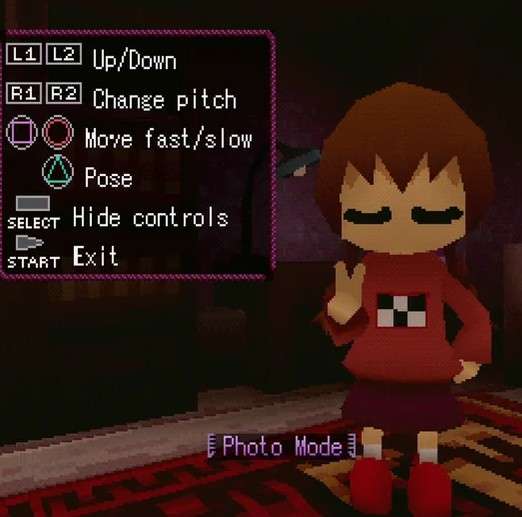
Yume Nikki is a surreal indie exploration game where you play as Madotsuki, a reclusive girl who never leaves her room. Instead, she escapes into a vast, weird dream world filled with strange characters, creepy NPCs, and bizarre effects to collect. It's famous for its unsettling atmosphere and total lack of hand-holding — no quest log, no map, just vibes and dread.
How to Play Yume Nikki
Wake Up in Madotsuki's Room
You start sitting at her desk. Walk to the balcony and interact with it to enter the dream world. Her room acts as your hub — you can come back anytime.
Wander Freely Through Dreams
There's no objective marker or mission list. Just walk around, talk to odd creatures, and let the dream logic guide you wherever it wants.
Collect Effects by Interacting
Touch specific objects or characters in the dream to unlock 'effects.' Some change Madotsuki's appearance, others give her special abilities like flying or teleporting.
Find Hidden Doors and Passages
Many areas are tucked behind walls, under tables, or inside objects that don't look like exits at all. The game rewards poking at everything.
Use Effects to Reach New Areas
Certain effects let you walk on special terrain, shrink down, or move through barriers. You'll often need to come back later with the right ability.
What Makes Yume Nikki Stand Out
Pure Exploration, Zero Combat
You will never fight anything. The horror comes from what you see, hear, and don't fully understand — not from enemy HP bars.
Dozens of Unsettling Effects
Collect a wild variety of items that transform Madotsuki into witches, cats, traffic cones, and far stranger things. Each one changes how the dream world feels.
Hand-Drawn Dream Worlds
Every area is a pixel-art fever dream: floating staircases, empty classrooms, bleeding walls, neon forests. It's all original RPG Maker art with no recycled tilesets.
No Dialogue, No Quest Log
NPCs speak in garbled text and the game never tells you what to do. You're left to interpret symbols, locations, and your own unease.
Cult Classic Status
Released in 2004 by a single developer, it spawned a massive fanbase, fan games, and endless theory videos. You're stepping into genuine gaming history.
Yume Nikki FAQs
Is Yume Nikki really a horror game if there's nothing to fight?
Yes — it's psychological horror. The creepy atmosphere, unsettling imagery, and themes of isolation are what make it scary, not jump scares or enemies.
Do I need to play Yume Nikki before Yume 2: Dreamers?
They're separate stories with different characters. You can enjoy either one solo, though fans often play Yume Nikki first to appreciate the lore connections.
How long does it take to beat Yume Nikki?
A first playthrough can take 2-4 hours if you're thorough. Completionists hunting every effect and secret often spend 10+ hours exploring.
Are there any goals or an ending in Yume Nikki?
Why is Yume Nikki so popular despite being so old?
Its weird, deeply personal art style hit different. Plus, the mystery of Madotsuki and her shut-in life sparked years of fan theories and discussion.
Can I play Yume Nikki in my browser?
Yep — this page runs a browser-friendly version so you can jump straight into the dream without installing anything.
What does the title Yume Nikki mean?
It translates to 'Dream Diary' in Japanese, which fits the game's loose theme of wandering through and recording dreams.
Is Yume Nikki safe for kids?
It's not gore-heavy but it has creepy and psychologically heavy imagery. Younger or sensitive players might find some scenes disturbing.
Do the effects do anything useful or just cosmetic?
Many are cosmetic, but some unlock new areas. Effects like the bicycle, witch, and traffic cone each open paths you couldn't reach before.
Who made Yume Nikki?
What's that weird number room everyone talks about?
It's one of the game's most debated areas — a room full of numbered faces that fans have obsessed over for years. You'll know it when you see it.
Can I save my progress?
Yes. There's a save function tied to Madotsuki's bed in her room. Just remember to save before bed or quitting.
Play Yume Nikki Right Here
No installs, no patches, no setup screens. This version of Yume Nikki runs straight in your browser, so you can fall into Madotsuki's dream the moment the page loads. Just click play and start wandering.
Why You Should Play Yume Nikki
A Game That Trusts You
No tutorials, no objectives, no hand-holding. It hands you the dream and lets you figure out what any of it means.
Surreal Pixel Art Heaven
Every screen looks like a fever dream someone sketched at 3am. Nothing about the visuals feels like any other game.
Real Mystery to Unpack
Fans have spent years piecing together Madotsuki's story from symbols, effects, and locations. There's genuine puzzle-solving buried in here.
Effects Are Pure Joy
Turning Madotsuki into a witch, a stop sign, or a bicycle-headed creature never stops being weirdly delightful.
Genuine Cult Classic
Few indie games from the 2000s still get dissected by theorists today. You're playing something that genuinely shaped a whole genre.
Tricks & Tips for Yume Nikki
Effect Hunting Basics
Touch literally everything. Walls, signs, chairs, random creatures — half the effects are hidden in objects you'd walk past without thinking.
If it looks clickable, click it. If nothing happens, try approaching from a different angle.
Backtracking with New Effects
Some areas are blocked or unreachable on a first pass. Once you unlock movement abilities like flying or bicycle, return to spots you couldn't enter before.
Keep a mental note of locked doors and weird terrain — your future self will thank you.
Reading the Symbols
Effects, locations, and NPCs form a strange internal logic. Things like the witch, the number room, and certain faces repeat throughout the dream in meaningful ways.
Screenshot anything that feels off — patterns click faster when you compare them side by side.
Don't Ignore the Toriningen
These tall, suited figures appear all over the dream world. They don't attack, but tracking where they show up ties into deeper game lore.
Watch where they gather — dense Toriningen areas usually hide something important.